
Dry scalp and dandruff
Do you have dandruff and a dry scalp? Find out what you can do about it here.
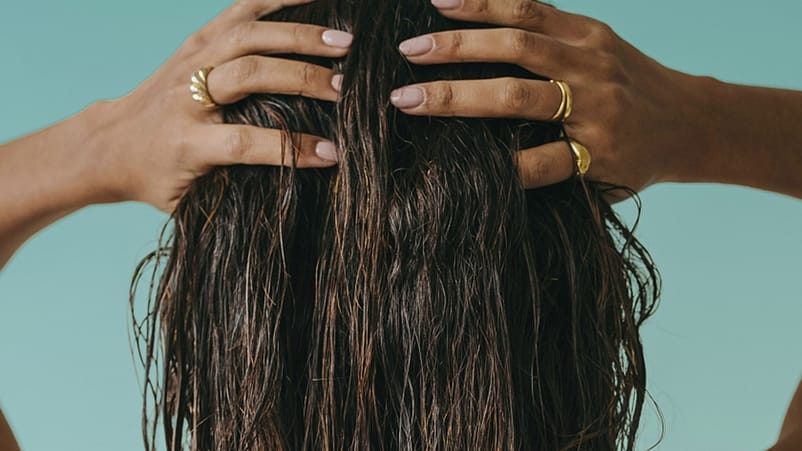
Healthy scalp: What makes it tick
The scalp is a particularly sensitive area of the body. If it is healthy, this is also noticeable in the condition and appearance of our hair. The scalp fulfils a number of important functions: It protects the head from external influences and helps to regulate our body temperature and water balance. To do this, its blood vessels dilate and constrict and sweat glands release sweat for cooling when it is hot. It is also involved in sensory perception. A balanced moisture balance of the scalp is the best prerequisite for healthy and beautiful hair.
Why does the scalp become dry?
A healthy scalp produces an oily secretion that prevents it from drying out and keeps it supple. If this does not happen to a sufficient extent, the scalp dries out: Itching, redness and dandruff can be the result. Hereditary factors also play a role in the development of a dry scalp: people who suffer from dry skin for genetic reasons often also have a dry scalp. Unsuitable care products are a common cause. Hormonal changes, stress or illnesses such as seborrhoeic scalp eczema or psoriasis can also lead to a dry scalp.
How does a dry scalp manifest itself?
A dry scalp can be recognised by various symptoms. One visible sign is white or greyish dandruff that falls from the head, especially when combing, and then appears on the shoulders of darker clothing. This is usually very unpleasant for those affected. Dandruff can also create the conditions for the development of a dry scalp. Because their loss damages the surface of skin cells, the skin increasingly loses its ability to retain moisture. This is essential for the suppleness of the skin. Dryness can cause feelings of tightness and itching - a problem that often leads to irritation such as redness or even open sores due to frequent scratching. Finally, the appearance of the hair can also indicate a dry scalp. It loses its lustre and appears dry and brittle.
Why does a dry scalp develop?
- With a dry scalp, the production of oil and moisture in the skin is disrupted. The cell renewal process can also be out of sync. There can be various reasons for this: both external and internal causes are possible.
- Blow-drying too hot or unsuitable hair care products can cause the scalp to dry out. These can also trigger allergies that irritate the skin.
- Water that contains a lot of magnesium and calcium can dry out the scalp. The more of these minerals there are in the water, the more calcareous and ‘harder’ it is: it deposits non-soluble substances on the scalp and hair surface, which can cause itching on sensitive skin.
- Smoking, a poor diet and some medications can promote a dry scalp.
- The change of seasons and major temperature changes can affect the scalp.
- Dry heating air in winter promotes the drying out of the scalp.
- Hormonal changes - for example during the menopause - and genetic factors often play a role in the development of dry scalp.
- Stress is a common factor in unbalanced skin.
- People who generally suffer from dry skin often also have dry scalps. Here too, the older a person is, the drier their skin is.
- Allergies and skin diseases such as neurodermatitis or psoriasis often cause a dry scalp and dandruff.
Dry and greasy dandruff
In addition to dry dandruff, there is also greasy dandruff. Unlike the small and white dry dandruff, it is larger and yellowish in colour - it also tends not to trickle onto clothing, but sticks to the scalp or hair and is difficult to remove. They usually appear at the hairline in the forehead area. The scalps of people with oily scalps tend to feel oily. Here too, there are various causes:
- Incorrect scalp and hair care
- Hyperfunction of the sebaceous glands
- Diseases - for example caused by fungi or bacteria. Seborrhoeic dermatitis can also be the cause of dandruff.
- Frequent heavy sweating
- Hormonal influences
- A weakened immune system

How can dandruff be prevented?
If a few things are taken into account, dry dandruff and the associated dry scalp in particular can often be prevented.
- Avoid washing and blow-drying your hair too hot! It is better to use lukewarm water with a maximum temperature of 37°C.
- Use hair care products that care for the scalp and do not dry it out. Hair gels, for example, close the scalp and can promote the formation of dandruff.
- Ventilate heavily heated rooms regularly: Humidifiers can also help to prevent the skin and scalp from drying out.
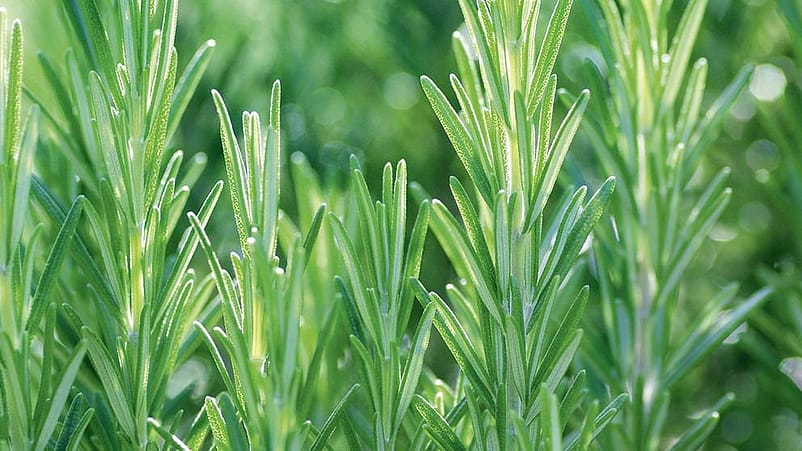
Weleda hair care with rosemary
Since 1921, Weleda has been offering hair care products. Our first care products included hair oil and hair tonic with organic rosemary. The series has been expanded to include a shampoo and a conditioner. All products are based on plant-based natural formulas and are free from silicones and sulfates. For healthy, beautifully shiny hair.


